Buy smeactor.eu ?
We are moving the project
smeactor.eu .
Are you interested in purchasing the domain
smeactor.eu ?
domain@kv-gmbh.de · 0541-91531010
Buy smeactor.eu ?
What are judicial officers and judicial assistants?
Judicial officers are individuals who hold positions within the judicial system, such as judges, magistrates, or justices. They are responsible for presiding over court proceedings, making legal decisions, and ensuring that the law is upheld. Judicial assistants, on the other hand, are support staff who work closely with judicial officers to help manage their caseloads, prepare legal documents, and assist with administrative tasks. They play a crucial role in the efficient operation of the court system and provide valuable support to judicial officers in their daily responsibilities. **
What is the difference between judicial independence and judicial arbitrariness?
Judicial independence refers to the principle that judges should be free from interference or influence from the other branches of government or external parties, allowing them to make decisions based on the law and facts of the case. On the other hand, judicial arbitrariness occurs when judges make decisions without proper legal reasoning or justification, leading to inconsistent or unpredictable outcomes. Judicial independence is essential for upholding the rule of law and ensuring fair and impartial justice, while judicial arbitrariness undermines the credibility and legitimacy of the judicial system. **


Similar search terms for Judicial
Top-Angebote
Products related to Judicial:
-
HARPERCOLLINS Creative Confidence by Tom & David Kelley – Unleashing Your Creative Potential & Innovation MindsetA powerful and inspiring book from the founders of IDEO, the award-winning design firm, on unleashing the creativity that lies within each and every one of us. Too often, companies and individuals assume that creativity and innovation are the domain of the ‘creative types’. But two of the foremost experts in innovation, design and creativity on the planet show us that each and every one of us is creative. In an entertaining and inspiring narrative that draws on countless stories from their work at IDEO, and with many of the world's top companies and design firms, David and Tom Kelley identify the principles and strategies that will allow us to tap into our creative potential in our work lives, and in our personal lives, allow us to think outside the box in terms of how we approach and solve problems. ‘Creative Confidence’ is a book that will help each of us be more productive and successful in our lives and in our careers.4,95 £*Shipping: 1,99 £Secure redirect to the provider
-
HPE Installation & Startup Service - installation / configuration - for P/N 614167R-B21The Electronic HP Care Pack Services (e-Care Pack) capability allows you to order, receive, update, and activate a wide range of valuable HP Care Pack Services over the Internet. Administered through the HP Services Network (CSN), it is a fast and simple process that enables immediate registration and service activation. Choose HP Installation and Startup Service when you need to: have HP develop a custom configuration; cost-effectively obtain specialized expertise for a complex, one-time task;270,99 £*Shipping: 0,00 £Secure redirect to the provider




-
What is the difference between a judicial clerk and a judicial specialist?
A judicial clerk is typically a recent law school graduate who assists judges by conducting legal research, drafting opinions, and managing court proceedings. They work closely with judges to help them make informed decisions. On the other hand, a judicial specialist is a court staff member who performs administrative duties such as managing case files, scheduling court hearings, and assisting with court operations. While both roles support the judicial system, clerks focus more on legal analysis and research, while specialists handle administrative tasks. **
-
How difficult is it to become a judicial clerk or judicial officer?
Becoming a judicial clerk or judicial officer is a highly competitive and challenging process. To become a judicial clerk, one typically needs to have a strong academic record, excellent writing and research skills, and a demonstrated interest in the law. Competition for these positions can be fierce, as they are highly sought after for the valuable experience and networking opportunities they provide. Similarly, becoming a judicial officer, such as a judge, requires extensive legal experience, a stellar reputation in the legal community, and often political connections. Overall, both paths require dedication, hard work, and a strong commitment to the legal profession. **
-
What is the difference between a judicial officer and a senior judicial officer?
A judicial officer is typically a lower-ranking official within the judicial system, such as a magistrate or a judge at the entry level. On the other hand, a senior judicial officer is a higher-ranking official with more experience and authority, often holding a supervisory role over other judicial officers. Senior judicial officers may have the power to make more significant decisions, handle complex cases, and provide guidance to junior officers. In summary, the main difference lies in the level of experience, authority, and responsibilities within the judicial hierarchy. **
-
What is the difference between a judicial constable and a senior judicial constable?
A judicial constable is an entry-level position within the court system responsible for maintaining order and security in courtrooms, serving legal documents, and providing assistance to judges and other court personnel. On the other hand, a senior judicial constable is a more experienced and higher-ranking position within the court system. They may have additional responsibilities such as supervising and training junior constables, overseeing security operations, and handling more complex legal matters. Additionally, senior judicial constables may have a higher level of authority and decision-making power within the court environment. **

What is the difference between a judicial bailiff and a senior judicial bailiff?
A judicial bailiff is a court officer responsible for maintaining order and security in the courtroom, serving legal documents, and executing court orders. A senior judicial bailiff, on the other hand, is a higher-ranking court officer with more experience and responsibilities. They may oversee a team of bailiffs, manage the security and operations of the courtroom, and assist judges with administrative tasks. Additionally, senior judicial bailiffs may have more authority in executing court orders and managing court proceedings. **
What is a judicial clerk?
A judicial clerk is a legal professional who works directly with a judge, assisting with research, drafting legal documents, and preparing for court proceedings. They often play a crucial role in helping judges make informed decisions by providing analysis and recommendations on various legal matters. Judicial clerks are typically recent law school graduates or experienced attorneys who work in a court setting for a fixed term, gaining valuable experience and insight into the judicial process. **
Top-Angebote
Products related to Judicial:
-
HPE Installation & Startup Service - installation / configurationThe Electronic HP Care Pack Services (e-Care Pack) capability allows you to order, receive, update, and activate a wide range of valuable HP Care Pack Services over the Internet. Administered through the HP Services Network (CSN), it is a fast and simple process that enables immediate registration and service activation. The installation and start-up service delivers expert support for this increasingly critical element of your eCommerce environment. This expert service quickly gets the storage2175,99 £*Shipping: 0,00 £Secure redirect to the provider
-
HARPERCOLLINS Creative Confidence by Tom & David Kelley – Unleashing Your Creative Potential & Innovation MindsetA powerful and inspiring book from the founders of IDEO, the award-winning design firm, on unleashing the creativity that lies within each and every one of us. Too often, companies and individuals assume that creativity and innovation are the domain of the ‘creative types’. But two of the foremost experts in innovation, design and creativity on the planet show us that each and every one of us is creative. In an entertaining and inspiring narrative that draws on countless stories from their work at IDEO, and with many of the world's top companies and design firms, David and Tom Kelley identify the principles and strategies that will allow us to tap into our creative potential in our work lives, and in our personal lives, allow us to think outside the box in terms of how we approach and solve problems. ‘Creative Confidence’ is a book that will help each of us be more productive and successful in our lives and in our careers.4,95 £*Shipping: 1,99 £Secure redirect to the provider
-
What are judicial officers and judicial assistants?
Judicial officers are individuals who hold positions within the judicial system, such as judges, magistrates, or justices. They are responsible for presiding over court proceedings, making legal decisions, and ensuring that the law is upheld. Judicial assistants, on the other hand, are support staff who work closely with judicial officers to help manage their caseloads, prepare legal documents, and assist with administrative tasks. They play a crucial role in the efficient operation of the court system and provide valuable support to judicial officers in their daily responsibilities. **
-
What is the difference between judicial independence and judicial arbitrariness?
Judicial independence refers to the principle that judges should be free from interference or influence from the other branches of government or external parties, allowing them to make decisions based on the law and facts of the case. On the other hand, judicial arbitrariness occurs when judges make decisions without proper legal reasoning or justification, leading to inconsistent or unpredictable outcomes. Judicial independence is essential for upholding the rule of law and ensuring fair and impartial justice, while judicial arbitrariness undermines the credibility and legitimacy of the judicial system. **
-
What is the difference between a judicial clerk and a judicial specialist?
A judicial clerk is typically a recent law school graduate who assists judges by conducting legal research, drafting opinions, and managing court proceedings. They work closely with judges to help them make informed decisions. On the other hand, a judicial specialist is a court staff member who performs administrative duties such as managing case files, scheduling court hearings, and assisting with court operations. While both roles support the judicial system, clerks focus more on legal analysis and research, while specialists handle administrative tasks. **
-
How difficult is it to become a judicial clerk or judicial officer?
Becoming a judicial clerk or judicial officer is a highly competitive and challenging process. To become a judicial clerk, one typically needs to have a strong academic record, excellent writing and research skills, and a demonstrated interest in the law. Competition for these positions can be fierce, as they are highly sought after for the valuable experience and networking opportunities they provide. Similarly, becoming a judicial officer, such as a judge, requires extensive legal experience, a stellar reputation in the legal community, and often political connections. Overall, both paths require dedication, hard work, and a strong commitment to the legal profession. **
Similar search terms for Judicial
-
HPE Installation & Startup Service - installation / configuration - for P/N 614167R-B21The Electronic HP Care Pack Services (e-Care Pack) capability allows you to order, receive, update, and activate a wide range of valuable HP Care Pack Services over the Internet. Administered through the HP Services Network (CSN), it is a fast and simple process that enables immediate registration and service activation. Choose HP Installation and Startup Service when you need to: have HP develop a custom configuration; cost-effectively obtain specialized expertise for a complex, one-time task;270,99 £*Shipping: 0,00 £Secure redirect to the provider
-
Random House Business/Harriman House ltd Atomic Habits & The Psychology of Money – 2 Books Collection Set Personal Growth, Wealth & Mindset BestsellersAtomic Habits People think that when you want to change your life, you need to think big. But world-renowned habits expert James Clear has discovered another way. He knows that real change comes from the compound effect of hundreds of small decisions: doing two push-ups a day, waking up five minutes early, or holding a single short phone call. He calls them atomic habits. In this ground-breaking book, Clears reveals exactly how these minuscule changes can grow into such life-altering outcomes. He uncovers a handful of simple life hacks (the forgotten art of Habit Stacking, the unexpected power of the Two Minute Rule, or the trick to entering the Goldilocks Zone), and delves into cutting-edge psychology and neuroscience to explain why they matter. Along the way, he tells inspiring stories of Olympic gold medalists, leading CEOs, and distinguished scientists who have used the science of tiny habits to stay productive, motivated, and happy. The Psychology of Money Doing well with money isn't necessarily about what you know. It's about how you behave. And behaviour is hard to teach, even to really smart people. Money investing, personal finance, and business decisions is typically taught as a math-based field, where data and formulas tell us exactly what to do. But in the real world people don't make financial decisions on a spreadsheet. They make them at the dinner table, or in a meeting room, where personal history, your own unique view of the world, ego, pride, marketing, and odd incentives are scrambled together. In The Psychology of Money, award-winning author Morgan Housel shares 19 short stories exploring the strange ways people think about money and teaches you how to make better sense of one of life's most important topics.15,99 £*Shipping: 2,99 £Secure redirect to the provider
-
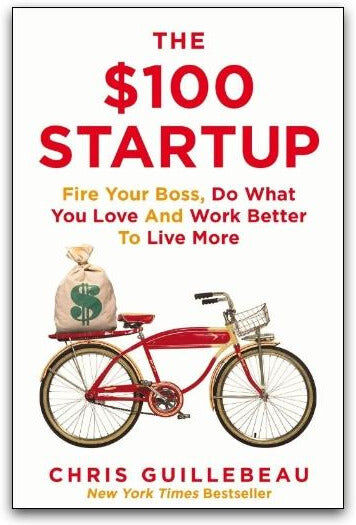
Pan Macmillan The $100 Startup: Fire Your Boss, Do What You Love and Work Better To Live MoreYou no longer need to work nine-to-five in a big company to pay the mortgage, send your kids to school and afford that yearly holiday. You can quit the rat race and start up on your own – and you don't need an MBA or a huge investment to do it. The $100 Startup by Chris Guillebeau is your manual to a new way of living. Learn how to: - Earn a good living on your own terms, when and where you want - Achieve that perfect blend of passion and income to make work something you love - Take crucial insights from 50 ordinary people who started a business with $100 or less - Spend less time working and more time living your life4,95 £*Shipping: 1,99 £Secure redirect to the provider
-
What is the difference between a judicial officer and a senior judicial officer?
A judicial officer is typically a lower-ranking official within the judicial system, such as a magistrate or a judge at the entry level. On the other hand, a senior judicial officer is a higher-ranking official with more experience and authority, often holding a supervisory role over other judicial officers. Senior judicial officers may have the power to make more significant decisions, handle complex cases, and provide guidance to junior officers. In summary, the main difference lies in the level of experience, authority, and responsibilities within the judicial hierarchy. **
-
What is the difference between a judicial constable and a senior judicial constable?
A judicial constable is an entry-level position within the court system responsible for maintaining order and security in courtrooms, serving legal documents, and providing assistance to judges and other court personnel. On the other hand, a senior judicial constable is a more experienced and higher-ranking position within the court system. They may have additional responsibilities such as supervising and training junior constables, overseeing security operations, and handling more complex legal matters. Additionally, senior judicial constables may have a higher level of authority and decision-making power within the court environment. **
-
What is the difference between a judicial bailiff and a senior judicial bailiff?
A judicial bailiff is a court officer responsible for maintaining order and security in the courtroom, serving legal documents, and executing court orders. A senior judicial bailiff, on the other hand, is a higher-ranking court officer with more experience and responsibilities. They may oversee a team of bailiffs, manage the security and operations of the courtroom, and assist judges with administrative tasks. Additionally, senior judicial bailiffs may have more authority in executing court orders and managing court proceedings. **
-
What is a judicial clerk?
A judicial clerk is a legal professional who works directly with a judge, assisting with research, drafting legal documents, and preparing for court proceedings. They often play a crucial role in helping judges make informed decisions by providing analysis and recommendations on various legal matters. Judicial clerks are typically recent law school graduates or experienced attorneys who work in a court setting for a fixed term, gaining valuable experience and insight into the judicial process. **
* All prices are inclusive of VAT and, if applicable, plus shipping costs. The offer information is based on the details provided by the respective shop and is updated through automated processes. Real-time updates do not occur, so deviations can occur in individual cases. ** Note: Parts of this content were created by AI.