Buy smeactor.eu ?
We are moving the project
smeactor.eu .
Are you interested in purchasing the domain
smeactor.eu ?
domain@kv-gmbh.de · 0541-91531010
Buy smeactor.eu ?
Can someone name the most important engine parts?
Some of the most important engine parts include the pistons, which move up and down to generate power; the cylinder block, which houses the cylinders and other major engine components; the crankshaft, which converts the up-and-down motion of the pistons into rotational motion; the camshaft, which controls the opening and closing of the engine's valves; and the cylinder head, which contains the valves, spark plugs, and other components necessary for combustion. These parts work together to ensure the proper functioning of the engine and are crucial for its overall performance. **
How many individual parts does a gasoline engine have?
A gasoline engine typically consists of hundreds of individual parts. Some of the key components include the cylinder block, pistons, crankshaft, camshaft, valves, spark plugs, fuel injectors, and various sensors. Each part plays a crucial role in the functioning of the engine, working together to generate power and propel the vehicle. **

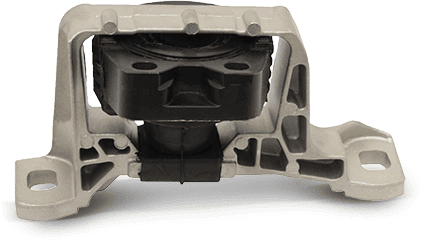
Similar search terms for KAVO-PARTS-EEM-9017-Engine
Top-Angebote
Products related to KAVO-PARTS-EEM-9017-Engine:


-
Roughly how many parts does a gasoline engine consist of?
A gasoline engine consists of many parts, but the main components can be roughly categorized into the following groups: the engine block, cylinder head, pistons, connecting rods, crankshaft, camshaft, valves, fuel injectors, intake and exhaust manifolds, and the ignition system. This is a simplified breakdown, and there are many more smaller components that make up a gasoline engine, but these are the essential parts that work together to produce power and drive a vehicle. **
-
What are the parts of an engine and what are their functions?
An engine typically consists of several key components, including the cylinder block, pistons, crankshaft, camshaft, valves, spark plugs, and fuel injectors. The cylinder block houses the cylinders where the combustion process takes place. Pistons move up and down within the cylinders, converting the energy from the combustion process into mechanical motion. The crankshaft converts the linear motion of the pistons into rotational motion, which drives the vehicle. The camshaft controls the opening and closing of the valves, allowing air and fuel to enter the cylinders and exhaust gases to exit. Spark plugs ignite the air-fuel mixture in the cylinders, while fuel injectors deliver the right amount of fuel for combustion. **
-
What is the engine speed at startup?
The engine speed at startup is typically higher than normal idle speed to help the engine start smoothly and quickly. This initial high speed helps to build up oil pressure and ensure proper lubrication before settling into the regular idle speed. The exact engine speed at startup can vary depending on the vehicle make and model, but it is generally around 1000-1500 RPM. **
-
How many parts, including screws and nuts, does a gasoline engine have approximately? 500, 1000, or 5000?
A gasoline engine typically has approximately 1000 parts, including screws and nuts. These parts include components such as the cylinder block, pistons, crankshaft, camshaft, valves, and various other smaller parts. Each part plays a crucial role in the functioning of the engine, contributing to its overall performance and efficiency. **


Hey guys, do you know why certain engine speeds in a car can cause vehicle parts to vibrate?
Certain engine speeds in a car can cause vehicle parts to vibrate because of the natural resonance frequency of the parts. When the engine operates at a speed that matches the natural frequency of a particular part, it can cause the part to vibrate and produce a noticeable sensation in the vehicle. This can be due to imbalances, worn components, or other factors that cause the part to resonate at certain engine speeds. It's important to address these vibrations to prevent further damage to the vehicle. **
Which engine is the Engine 5?
Engine 5 is a diesel engine. Diesel engines are commonly used in heavy-duty vehicles such as trucks, buses, and construction equipment. They are known for their fuel efficiency and high torque output, making them suitable for applications that require a lot of power and towing capacity. **
Top-Angebote
Products related to KAVO-PARTS-EEM-9017-Engine:
-
Can someone name the most important engine parts?
Some of the most important engine parts include the pistons, which move up and down to generate power; the cylinder block, which houses the cylinders and other major engine components; the crankshaft, which converts the up-and-down motion of the pistons into rotational motion; the camshaft, which controls the opening and closing of the engine's valves; and the cylinder head, which contains the valves, spark plugs, and other components necessary for combustion. These parts work together to ensure the proper functioning of the engine and are crucial for its overall performance. **
-
How many individual parts does a gasoline engine have?
A gasoline engine typically consists of hundreds of individual parts. Some of the key components include the cylinder block, pistons, crankshaft, camshaft, valves, spark plugs, fuel injectors, and various sensors. Each part plays a crucial role in the functioning of the engine, working together to generate power and propel the vehicle. **
-
Roughly how many parts does a gasoline engine consist of?
A gasoline engine consists of many parts, but the main components can be roughly categorized into the following groups: the engine block, cylinder head, pistons, connecting rods, crankshaft, camshaft, valves, fuel injectors, intake and exhaust manifolds, and the ignition system. This is a simplified breakdown, and there are many more smaller components that make up a gasoline engine, but these are the essential parts that work together to produce power and drive a vehicle. **
-
What are the parts of an engine and what are their functions?
An engine typically consists of several key components, including the cylinder block, pistons, crankshaft, camshaft, valves, spark plugs, and fuel injectors. The cylinder block houses the cylinders where the combustion process takes place. Pistons move up and down within the cylinders, converting the energy from the combustion process into mechanical motion. The crankshaft converts the linear motion of the pistons into rotational motion, which drives the vehicle. The camshaft controls the opening and closing of the valves, allowing air and fuel to enter the cylinders and exhaust gases to exit. Spark plugs ignite the air-fuel mixture in the cylinders, while fuel injectors deliver the right amount of fuel for combustion. **
Similar search terms for KAVO-PARTS-EEM-9017-Engine
-
What is the engine speed at startup?
The engine speed at startup is typically higher than normal idle speed to help the engine start smoothly and quickly. This initial high speed helps to build up oil pressure and ensure proper lubrication before settling into the regular idle speed. The exact engine speed at startup can vary depending on the vehicle make and model, but it is generally around 1000-1500 RPM. **
-
How many parts, including screws and nuts, does a gasoline engine have approximately? 500, 1000, or 5000?
A gasoline engine typically has approximately 1000 parts, including screws and nuts. These parts include components such as the cylinder block, pistons, crankshaft, camshaft, valves, and various other smaller parts. Each part plays a crucial role in the functioning of the engine, contributing to its overall performance and efficiency. **
-
Hey guys, do you know why certain engine speeds in a car can cause vehicle parts to vibrate?
Certain engine speeds in a car can cause vehicle parts to vibrate because of the natural resonance frequency of the parts. When the engine operates at a speed that matches the natural frequency of a particular part, it can cause the part to vibrate and produce a noticeable sensation in the vehicle. This can be due to imbalances, worn components, or other factors that cause the part to resonate at certain engine speeds. It's important to address these vibrations to prevent further damage to the vehicle. **
-
Which engine is the Engine 5?
Engine 5 is a diesel engine. Diesel engines are commonly used in heavy-duty vehicles such as trucks, buses, and construction equipment. They are known for their fuel efficiency and high torque output, making them suitable for applications that require a lot of power and towing capacity. **
* All prices are inclusive of VAT and, if applicable, plus shipping costs. The offer information is based on the details provided by the respective shop and is updated through automated processes. Real-time updates do not occur, so deviations can occur in individual cases. ** Note: Parts of this content were created by AI.