Buy smeactor.eu ?
We are moving the project
smeactor.eu .
Are you interested in purchasing the domain
smeactor.eu ?
domain@kv-gmbh.de · 0541-91531010
Buy smeactor.eu ?
What is a theological position?
A theological position refers to a person's or a group's stance on various religious or spiritual beliefs and doctrines. It encompasses their understanding and interpretation of sacred texts, the nature of God, the purpose of human existence, and the moral and ethical principles that guide their faith. Theological positions can vary widely among different religious traditions and denominations, and they often shape the way individuals and communities practice their faith and engage with the world around them. **
What is a theological Christian researcher?
A theological Christian researcher is a scholar who conducts in-depth study and analysis of Christian theology, doctrine, and biblical texts. They seek to understand and interpret the teachings of Christianity within the context of historical, cultural, and philosophical perspectives. Their research often involves exploring the implications of Christian beliefs for contemporary issues and engaging in dialogue with other religious traditions. Theological Christian researchers may also contribute to the development of Christian thought and practice through their scholarly work. **


Similar search terms for Theological
Top-Angebote
Products related to Theological:
-
HARPERCOLLINS Creative Confidence by Tom & David Kelley – Unleashing Your Creative Potential & Innovation MindsetA powerful and inspiring book from the founders of IDEO, the award-winning design firm, on unleashing the creativity that lies within each and every one of us. Too often, companies and individuals assume that creativity and innovation are the domain of the ‘creative types’. But two of the foremost experts in innovation, design and creativity on the planet show us that each and every one of us is creative. In an entertaining and inspiring narrative that draws on countless stories from their work at IDEO, and with many of the world's top companies and design firms, David and Tom Kelley identify the principles and strategies that will allow us to tap into our creative potential in our work lives, and in our personal lives, allow us to think outside the box in terms of how we approach and solve problems. ‘Creative Confidence’ is a book that will help each of us be more productive and successful in our lives and in our careers.4,95 £*Shipping: 1,99 £Secure redirect to the provider
-
HPE Installation & Startup Service - installation / configuration - for P/N 614167R-B21The Electronic HP Care Pack Services (e-Care Pack) capability allows you to order, receive, update, and activate a wide range of valuable HP Care Pack Services over the Internet. Administered through the HP Services Network (CSN), it is a fast and simple process that enables immediate registration and service activation. Choose HP Installation and Startup Service when you need to: have HP develop a custom configuration; cost-effectively obtain specialized expertise for a complex, one-time task;270,99 £*Shipping: 0,00 £Secure redirect to the provider




-
What is the theological significance of straw?
In Christian theology, straw is often used symbolically to represent humility and simplicity. This symbolism is derived from the humble origins of Jesus, who was born in a manger filled with straw. The use of straw in this context serves as a reminder of the importance of humility and the idea that God often works through the most ordinary and unassuming means. Additionally, straw can also symbolize the idea of nourishment and sustenance, as it is often used as bedding for animals or as a material for thatched roofs, providing protection and shelter. **
-
What is the theological question regarding exclusivism?
The theological question regarding exclusivism is whether only one particular religion or belief system is true and valid, and whether adherents of other religions or beliefs are ultimately excluded from salvation or divine favor. This raises questions about the nature of truth, the inclusivity of divine love and grace, and the role of religious diversity in the divine plan. It also prompts reflection on the relationship between religious beliefs and ethical behavior, and the implications for interfaith dialogue and cooperation. **
-
Was the Barmen Theological Declaration positively received?
The Barmen Theological Declaration was positively received by many within the Confessing Church in Germany, as well as by theologians and church leaders around the world who opposed the Nazi regime. It was seen as a bold and courageous stand against the state's attempt to control the church and its message. The declaration's affirmation of the sole authority of Jesus Christ and rejection of any other authority, including the state, resonated with many who were seeking to resist the influence of the Nazi government on the church. However, it was not positively received by the Nazi regime and its supporters, who saw it as a threat to their power and authority. **
-
What is the theological perspective on congenital disabilities?
From a theological perspective, congenital disabilities are often seen as part of the mystery of God's creation and are not necessarily viewed as punishment for sin. Some theologians believe that individuals with disabilities are uniquely created by God and have a special purpose in the world. Others may see disabilities as a result of the brokenness of the world due to sin, but still believe that God can work through and bring redemption to those affected by disabilities. Overall, the theological perspective on congenital disabilities varies among different religious traditions and interpretations of scripture. **

What speaks against the theological proof of God?
Theological proof of God is based on religious texts and beliefs, which are subjective and vary across different religions. This means that the theological proof of God may not be universally convincing to everyone. Additionally, the theological proof of God relies on faith and personal experiences, which are not empirical evidence and cannot be objectively verified. Furthermore, the theological proof of God does not provide a clear and definitive explanation for the existence of evil and suffering in the world, which is a significant challenge to the concept of an all-powerful and benevolent deity. **
What are the theological differences between Orthodox and Catholic Christianity?
One of the main theological differences between Orthodox and Catholic Christianity is the understanding of the nature of the Holy Spirit. The Orthodox believe that the Holy Spirit proceeds only from the Father, while the Catholics believe that the Holy Spirit proceeds from both the Father and the Son. Another difference is the understanding of the role of the Pope. Catholics believe in the primacy of the Pope as the head of the Church, while the Orthodox believe in the shared leadership of the Church among the bishops. Additionally, there are differences in the understanding of original sin, the use of unleavened bread in the Eucharist, and the interpretation of certain theological concepts, such as purgatory and the Immaculate Conception. **
Top-Angebote
Products related to Theological:
-
HPE Installation & Startup Service - installation / configurationThe Electronic HP Care Pack Services (e-Care Pack) capability allows you to order, receive, update, and activate a wide range of valuable HP Care Pack Services over the Internet. Administered through the HP Services Network (CSN), it is a fast and simple process that enables immediate registration and service activation. The installation and start-up service delivers expert support for this increasingly critical element of your eCommerce environment. This expert service quickly gets the storage2175,99 £*Shipping: 0,00 £Secure redirect to the provider
-
HARPERCOLLINS Creative Confidence by Tom & David Kelley – Unleashing Your Creative Potential & Innovation MindsetA powerful and inspiring book from the founders of IDEO, the award-winning design firm, on unleashing the creativity that lies within each and every one of us. Too often, companies and individuals assume that creativity and innovation are the domain of the ‘creative types’. But two of the foremost experts in innovation, design and creativity on the planet show us that each and every one of us is creative. In an entertaining and inspiring narrative that draws on countless stories from their work at IDEO, and with many of the world's top companies and design firms, David and Tom Kelley identify the principles and strategies that will allow us to tap into our creative potential in our work lives, and in our personal lives, allow us to think outside the box in terms of how we approach and solve problems. ‘Creative Confidence’ is a book that will help each of us be more productive and successful in our lives and in our careers.4,95 £*Shipping: 1,99 £Secure redirect to the provider
-
What is a theological position?
A theological position refers to a person's or a group's stance on various religious or spiritual beliefs and doctrines. It encompasses their understanding and interpretation of sacred texts, the nature of God, the purpose of human existence, and the moral and ethical principles that guide their faith. Theological positions can vary widely among different religious traditions and denominations, and they often shape the way individuals and communities practice their faith and engage with the world around them. **
-
What is a theological Christian researcher?
A theological Christian researcher is a scholar who conducts in-depth study and analysis of Christian theology, doctrine, and biblical texts. They seek to understand and interpret the teachings of Christianity within the context of historical, cultural, and philosophical perspectives. Their research often involves exploring the implications of Christian beliefs for contemporary issues and engaging in dialogue with other religious traditions. Theological Christian researchers may also contribute to the development of Christian thought and practice through their scholarly work. **
-
What is the theological significance of straw?
In Christian theology, straw is often used symbolically to represent humility and simplicity. This symbolism is derived from the humble origins of Jesus, who was born in a manger filled with straw. The use of straw in this context serves as a reminder of the importance of humility and the idea that God often works through the most ordinary and unassuming means. Additionally, straw can also symbolize the idea of nourishment and sustenance, as it is often used as bedding for animals or as a material for thatched roofs, providing protection and shelter. **
-
What is the theological question regarding exclusivism?
The theological question regarding exclusivism is whether only one particular religion or belief system is true and valid, and whether adherents of other religions or beliefs are ultimately excluded from salvation or divine favor. This raises questions about the nature of truth, the inclusivity of divine love and grace, and the role of religious diversity in the divine plan. It also prompts reflection on the relationship between religious beliefs and ethical behavior, and the implications for interfaith dialogue and cooperation. **
Similar search terms for Theological
-
HPE Installation & Startup Service - installation / configuration - for P/N 614167R-B21The Electronic HP Care Pack Services (e-Care Pack) capability allows you to order, receive, update, and activate a wide range of valuable HP Care Pack Services over the Internet. Administered through the HP Services Network (CSN), it is a fast and simple process that enables immediate registration and service activation. Choose HP Installation and Startup Service when you need to: have HP develop a custom configuration; cost-effectively obtain specialized expertise for a complex, one-time task;270,99 £*Shipping: 0,00 £Secure redirect to the provider
-
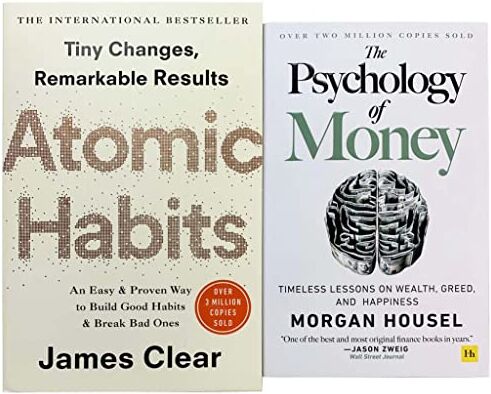
Random House Business/Harriman House ltd Atomic Habits & The Psychology of Money – 2 Books Collection Set Personal Growth, Wealth & Mindset BestsellersAtomic Habits People think that when you want to change your life, you need to think big. But world-renowned habits expert James Clear has discovered another way. He knows that real change comes from the compound effect of hundreds of small decisions: doing two push-ups a day, waking up five minutes early, or holding a single short phone call. He calls them atomic habits. In this ground-breaking book, Clears reveals exactly how these minuscule changes can grow into such life-altering outcomes. He uncovers a handful of simple life hacks (the forgotten art of Habit Stacking, the unexpected power of the Two Minute Rule, or the trick to entering the Goldilocks Zone), and delves into cutting-edge psychology and neuroscience to explain why they matter. Along the way, he tells inspiring stories of Olympic gold medalists, leading CEOs, and distinguished scientists who have used the science of tiny habits to stay productive, motivated, and happy. The Psychology of Money Doing well with money isn't necessarily about what you know. It's about how you behave. And behaviour is hard to teach, even to really smart people. Money investing, personal finance, and business decisions is typically taught as a math-based field, where data and formulas tell us exactly what to do. But in the real world people don't make financial decisions on a spreadsheet. They make them at the dinner table, or in a meeting room, where personal history, your own unique view of the world, ego, pride, marketing, and odd incentives are scrambled together. In The Psychology of Money, award-winning author Morgan Housel shares 19 short stories exploring the strange ways people think about money and teaches you how to make better sense of one of life's most important topics.15,99 £*Shipping: 2,99 £Secure redirect to the provider
-
Pan Macmillan The $100 Startup: Fire Your Boss, Do What You Love and Work Better To Live MoreYou no longer need to work nine-to-five in a big company to pay the mortgage, send your kids to school and afford that yearly holiday. You can quit the rat race and start up on your own – and you don't need an MBA or a huge investment to do it. The $100 Startup by Chris Guillebeau is your manual to a new way of living. Learn how to: - Earn a good living on your own terms, when and where you want - Achieve that perfect blend of passion and income to make work something you love - Take crucial insights from 50 ordinary people who started a business with $100 or less - Spend less time working and more time living your life4,95 £*Shipping: 1,99 £Secure redirect to the provider
-
Was the Barmen Theological Declaration positively received?
The Barmen Theological Declaration was positively received by many within the Confessing Church in Germany, as well as by theologians and church leaders around the world who opposed the Nazi regime. It was seen as a bold and courageous stand against the state's attempt to control the church and its message. The declaration's affirmation of the sole authority of Jesus Christ and rejection of any other authority, including the state, resonated with many who were seeking to resist the influence of the Nazi government on the church. However, it was not positively received by the Nazi regime and its supporters, who saw it as a threat to their power and authority. **
-
What is the theological perspective on congenital disabilities?
From a theological perspective, congenital disabilities are often seen as part of the mystery of God's creation and are not necessarily viewed as punishment for sin. Some theologians believe that individuals with disabilities are uniquely created by God and have a special purpose in the world. Others may see disabilities as a result of the brokenness of the world due to sin, but still believe that God can work through and bring redemption to those affected by disabilities. Overall, the theological perspective on congenital disabilities varies among different religious traditions and interpretations of scripture. **
-
What speaks against the theological proof of God?
Theological proof of God is based on religious texts and beliefs, which are subjective and vary across different religions. This means that the theological proof of God may not be universally convincing to everyone. Additionally, the theological proof of God relies on faith and personal experiences, which are not empirical evidence and cannot be objectively verified. Furthermore, the theological proof of God does not provide a clear and definitive explanation for the existence of evil and suffering in the world, which is a significant challenge to the concept of an all-powerful and benevolent deity. **
-
What are the theological differences between Orthodox and Catholic Christianity?
One of the main theological differences between Orthodox and Catholic Christianity is the understanding of the nature of the Holy Spirit. The Orthodox believe that the Holy Spirit proceeds only from the Father, while the Catholics believe that the Holy Spirit proceeds from both the Father and the Son. Another difference is the understanding of the role of the Pope. Catholics believe in the primacy of the Pope as the head of the Church, while the Orthodox believe in the shared leadership of the Church among the bishops. Additionally, there are differences in the understanding of original sin, the use of unleavened bread in the Eucharist, and the interpretation of certain theological concepts, such as purgatory and the Immaculate Conception. **
* All prices are inclusive of VAT and, if applicable, plus shipping costs. The offer information is based on the details provided by the respective shop and is updated through automated processes. Real-time updates do not occur, so deviations can occur in individual cases. ** Note: Parts of this content were created by AI.